
Refrigerator
Compressor, thermostat, door seals and the ice maker inside.
Every system and appliance a plan can list, plus the terms I walk you through before you sign.
What I offer
Chosen for your house, not a brochure ...
A home warranty is a service contract. When a covered item fails from normal wear, you pay a set visit fee and the plan pays toward the repair or the replacement.
I set up plans for appliances only, for major systems only, or for both together. Each one can take optional extras such as a pool pump, a second refrigerator or a well pump. Send me a list of what you own and I will tell you which plan fits it.
Systems and appliances
Compressor, thermostat, door seals and the ice maker inside.
Motor, pump, heating element, belts and the timer.
Heating elements, igniters, thermostats and the control panel.
Tank, thermostat, heating element, valves and the burner assembly.
Furnace, air handler, compressor, ductwork and the thermostat.
Supply lines, drain stoppages, valves, faucets and toilet parts.
Breaker panel, wiring, outlets, switches and ceiling fans.
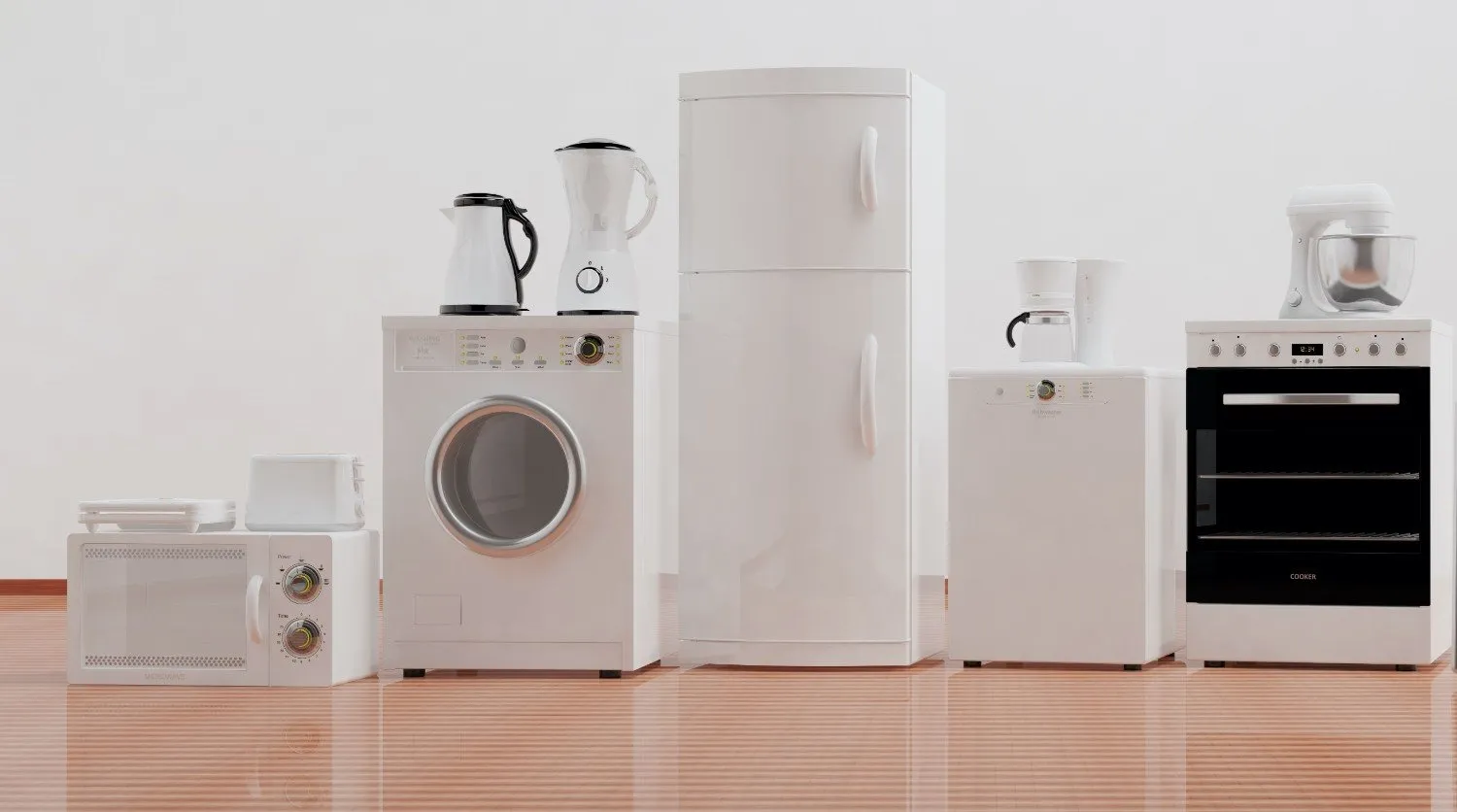
Listed together on one plan
Service requests
Sign in to your plan account, then describe what stopped working and when.
The plan provider hands the job to a contractor nearby, and a date is set.
You pay the set visit fee, then the contractor tracks down the real cause.
Covered parts get repaired, or your plan pays toward the replacement unit.
Read before you sign
Every contract differs, so I go through your actual document with you. These lists show the pattern I see most often.
Usually inside the plan
Usually outside the plan